
Rejuran and Polynucleotides
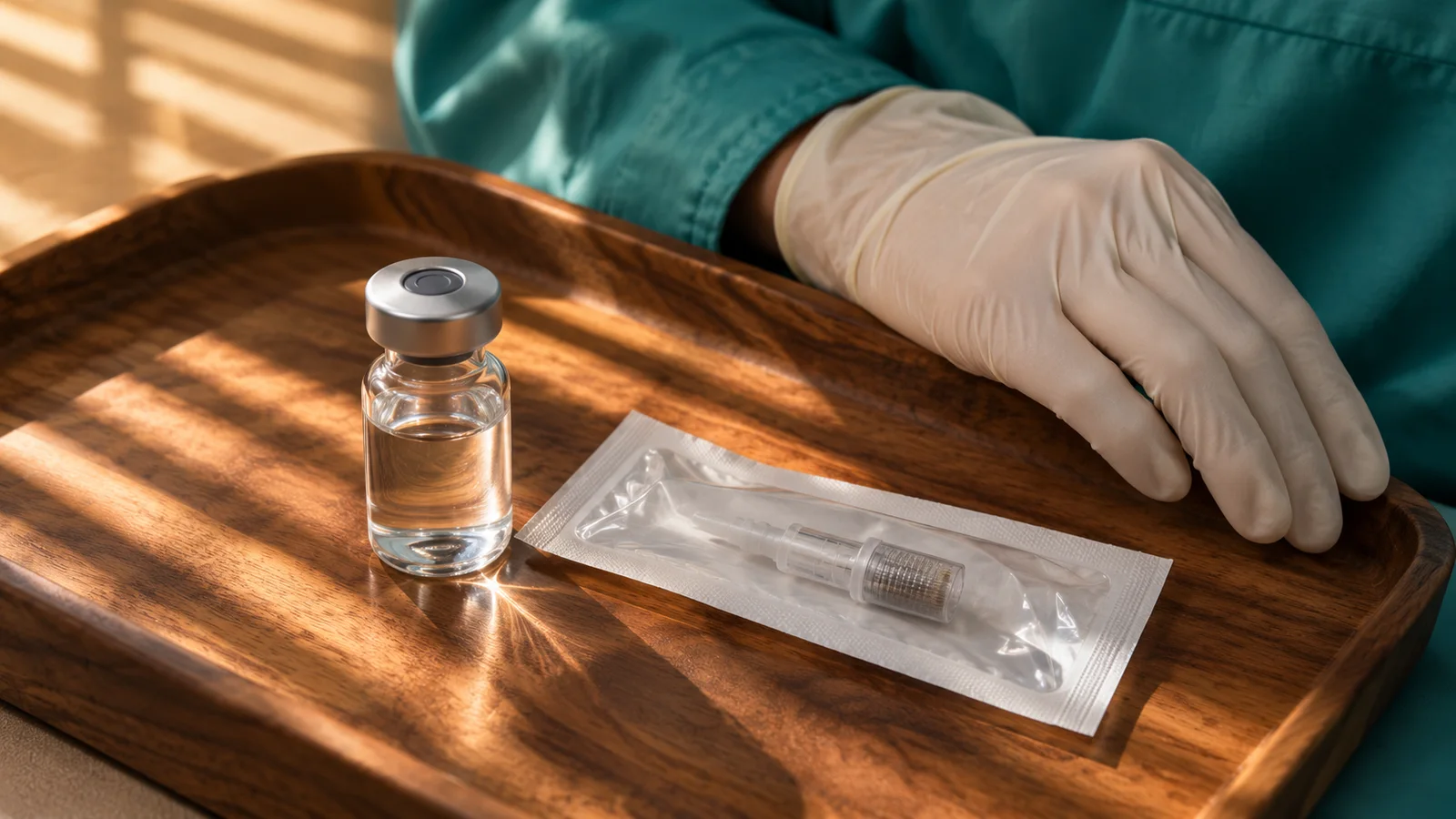
Polynucleotide treatments sound technical, but one sentence covers the basic fact, and the rest of the questions get easier once you hold it in mind. hauteliving.com says REJURAN is composed of polydeoxyribonucleotides, otherwise known as PDRNs.
Five questions, from the product to the personal
- What is Rejuran made from? Begin with the ingredient, because it is the plainest question.
- What does PDRN do in the skin? This explains the idea behind the treatment.
- How many Rejuran sessions are typical? Session count is where commitment begins.
- Who might choose polynucleotide treatment? Here you test the treatment against your own goals.
- What side effects follow Rejuran? Read this last, with your goals fresh, and weigh the two together.
Two reports to read slowly
Dermatology Times reports that polynucleotide therapy shows promise in scar and burn management. For skin rejuvenation, a real-life assessment of injectable polynucleotides on PMC reports on practice outside a trial. Promise is not proof, so ask any provider what evidence sits behind the claims they make.
A no-cost step
Write down your skin concern in one sentence and list the three questions you most want answered. Take the list to a consultation, and ask what the plan would be if the first session did not do what you hoped.